UP Tacloban College was granted autonomous status by the Board of Regents on 27 April 2023. The college, which marked its 50th founding anniversary on 23 May 2023, is now gearing up to become the 9th constituent university of the UP System. Carillon sat down with UP Tacloban alumni to talk about what lies ahead for the institution.
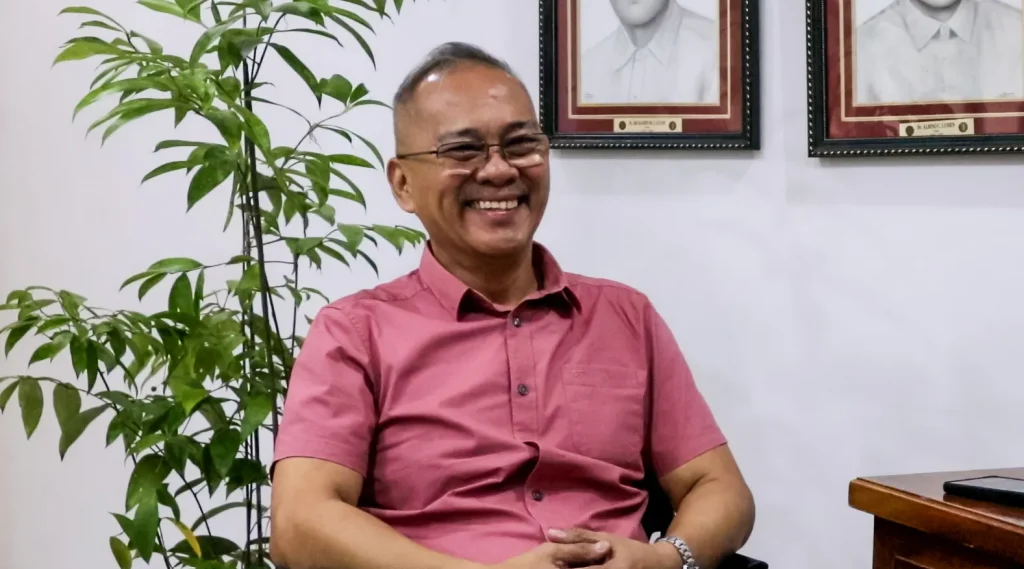
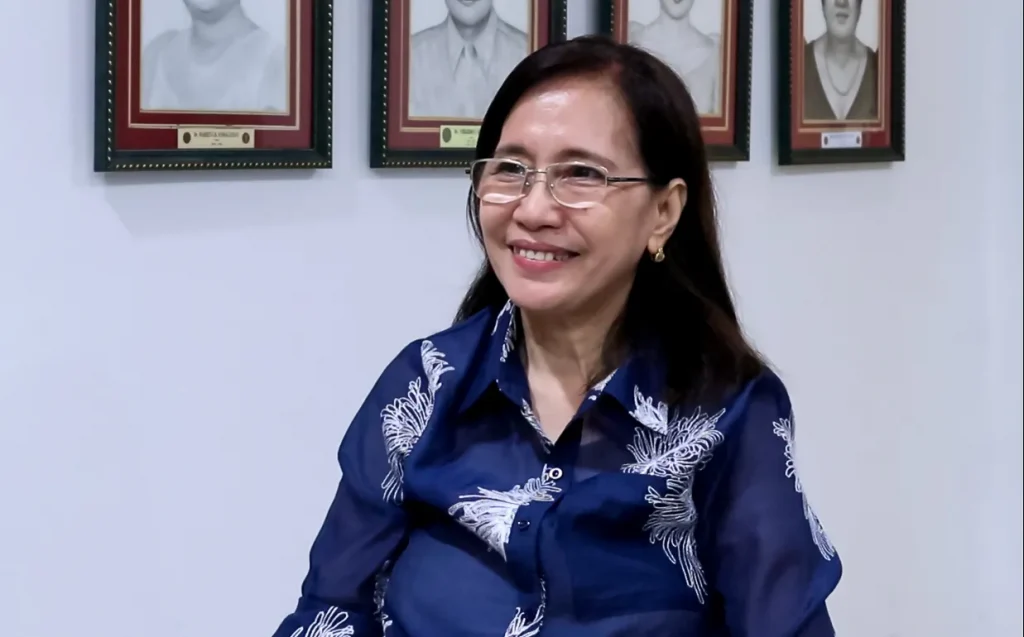
Maria Rebecca Roldan-Dorado (Class of 1978), Secretary of the UP Tacloban Alumni Association (UPTAA) and formerly Supervising Budget and Management Specialist at the Department of Budget and Management Regional Office VIII, recalls how back in the 1970s when UP College Tacloban (as it was then called) was a small unit, everyone knew each other and students like her led carefree lives. But she quickly adds that these same students are now leaders in their respective professions.
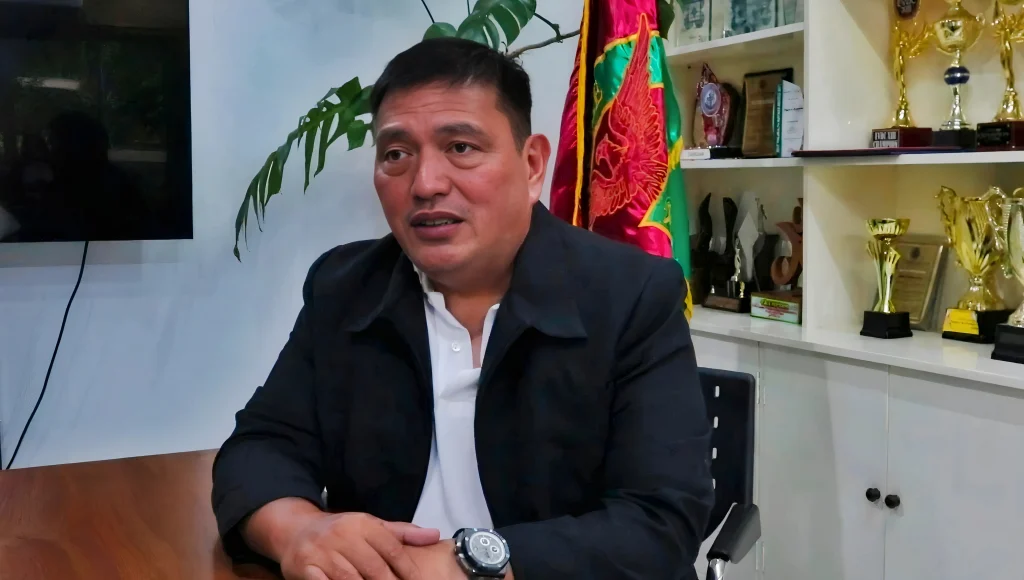
Dan Stephen Palami (Class of 1991), who is Chairman of the Center for the Development of Sustainable Communities for Progress, Inc. and President of the St. Therese Educational Foundation of Tacloban Inc. (STEFTI), and former Team Manager of the Philippine Azkals, echoes the sentiment. He says the college during his time was like a close-knit family, adding that he is glad that the UP Tacloban community has retained this closeness among its stakeholders up to the present.
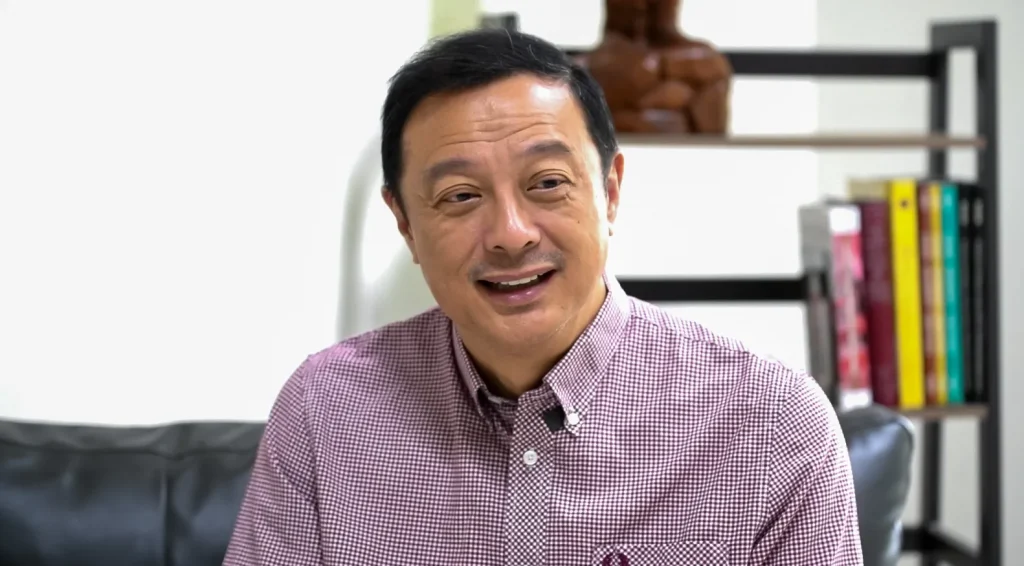
For his part, Jimmy Yaokasin, Jr. (Class of 1989), President of Toyota Tacloban Leyte Inc. and former chairman of the Board of Trustees of the Development Academy of the Philippines, agrees that UP Tacloban has always been a source of talented, smart, and educated manpower who have assumed leadership positions not only in government institutions but also in the business sector.
Venerando Arbas (Class of 1979), Acting President of the UP Tacloban Alumni Association and President of the YMCA of Leyte, says that with the talented graduates produced by UP Tacloban, the college can do a lot for Region 8, which is listed as the fifth poorest region in the country, with a 27% poverty incidence, and which is considered highly vulnerable to typhoons, earthquakes, and other natural hazards. Becoming an autonomous unit, he notes, gives the college more leeway in shaping its future directions and he looks forward to the college aligning its vision-mission more closely with regional development goals and crafting programs that respond to the needs of the region, specifically on education, disaster mitigation, and public health.
Roldan-Dorado adds tourism development, agricultural research, and food production to this list of possible programs where UP Tacloban can take the lead. Yaokasin argues for the college to do innovative research that redounds to the benefit of the people, with practical applications that will uplift people’s lives. Palami bats for UP Tacloban to expand its role in the community by partnering with local government units and non-government organizations. Arbas also calls for more community engagement in terms of looking for sustainable solutions to development problems in the region.
Roldan-Dorado relates that the UPTAA is currently strengthening its organizational structure so it can more ably assist the college. Yaokasin says that the alumni continue to give back to the college by contributing to scholarship grants and meeting other financial needs of students, especially for items like student board and lodging and transportation needs that may not be included in scholarship grants. He looks forward to brainstorming with the administration on how to help shape the structure and culture of the college so its students can easily assimilate into the business and professional world once they graduate.
Palami notes that “one alumnus cannot do a lot; it will take the whole community for sustainable change to happen.” But he feels proud that UP Tacloban has come a long way and he looks forward to UP Tacloban continuing to produce more able, knowledgeable, and passionate graduates who will help build sustainable communities and advance regional development.