


Behind the Beautiful Sunflowers
By Kristine Cruz
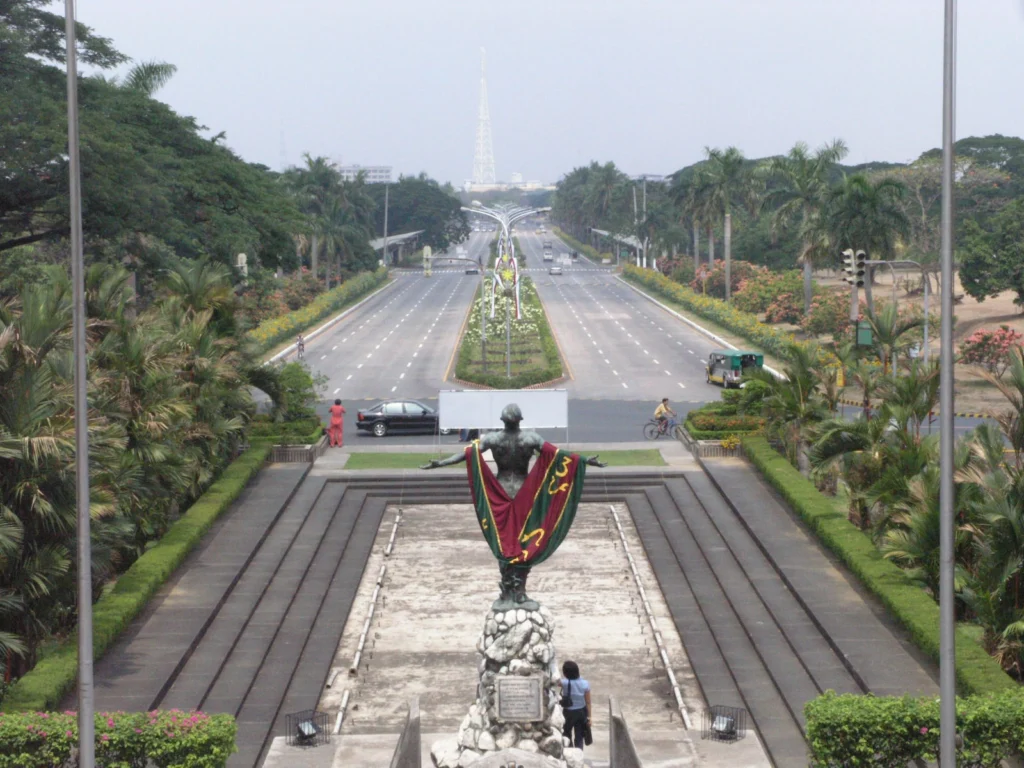
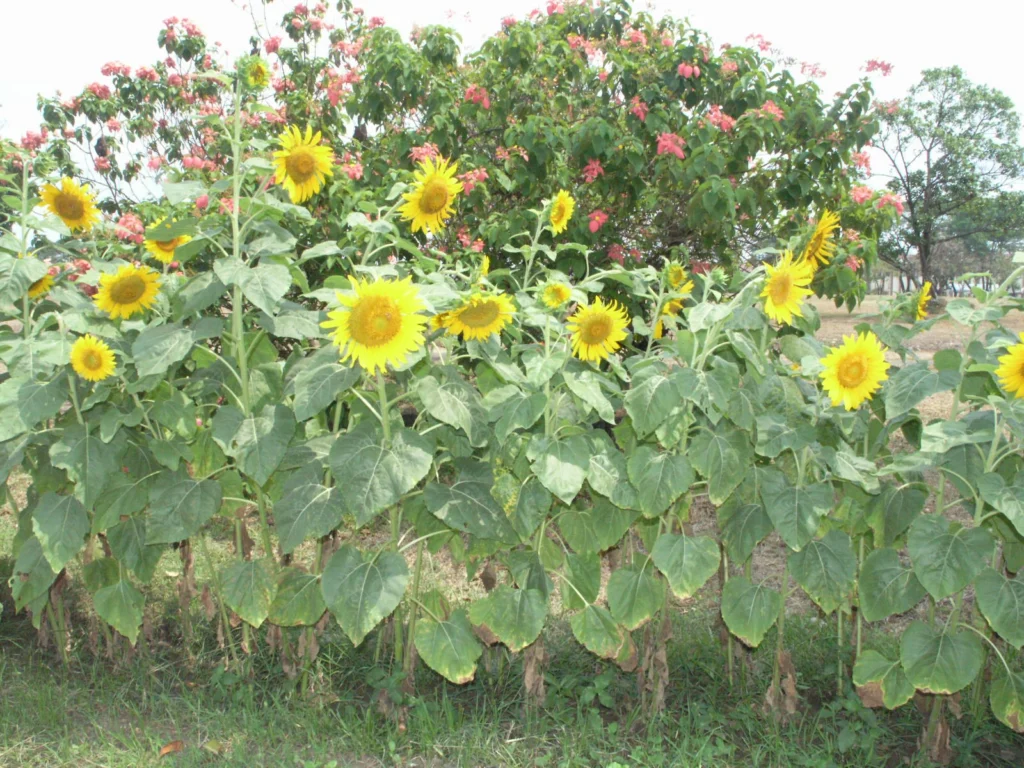
A quick Google search would tell you that sunflowers symbolize cheerfulness, hope, luck, and positivity. But for the UP community and everyone involved in the annual display of bright yellow flowers during commencement season, it has become a tradition symbolizing a joyful culmination of many years of hard work.
How it Started: Science and Serendipity
Like every meaningful tradition, planting symbolic sunflowers isn’t just a spur-of-the-moment aesthetic choice. According to Arch. James Christopher Buño, the practice of planting sunflowers around the campus started in the 1980s. Back then, the unit in charge of this was the Campus Landscaping Office and Arboretum, headed by Agriculturist Dionisio Liwag. Initially, it was done as an experiment to drive worms away from the existing Doña Auroras along University Avenue. However, it wasn’t until Prof. Amelia Guevarra led the commencement committee as Vice Chancellor for Academic Affairs (VCAA) that the sunflowers actually became a part of the commencement tradition.
“Flowers really make my day,” Prof. Amelia Guevara said as she explained why the tradition started during her term as VCAA. “Hindi talaga sunflower ang nag-umpisa niyan,” she further clarifies. “I was a University Registrar before. We organized an international conference and held it at the Science Teacher Training Center (STTC).” She then coordinated with the Campus Maintenance Office (CMO) and, since their event will be held in December, she requested potted poinsettias to be used as decorations on the stage of the STTC hall. After the event, Prof. Amy distributed the potted flowers to everyone who had helped organize the event, and she noticed that they were very well received.
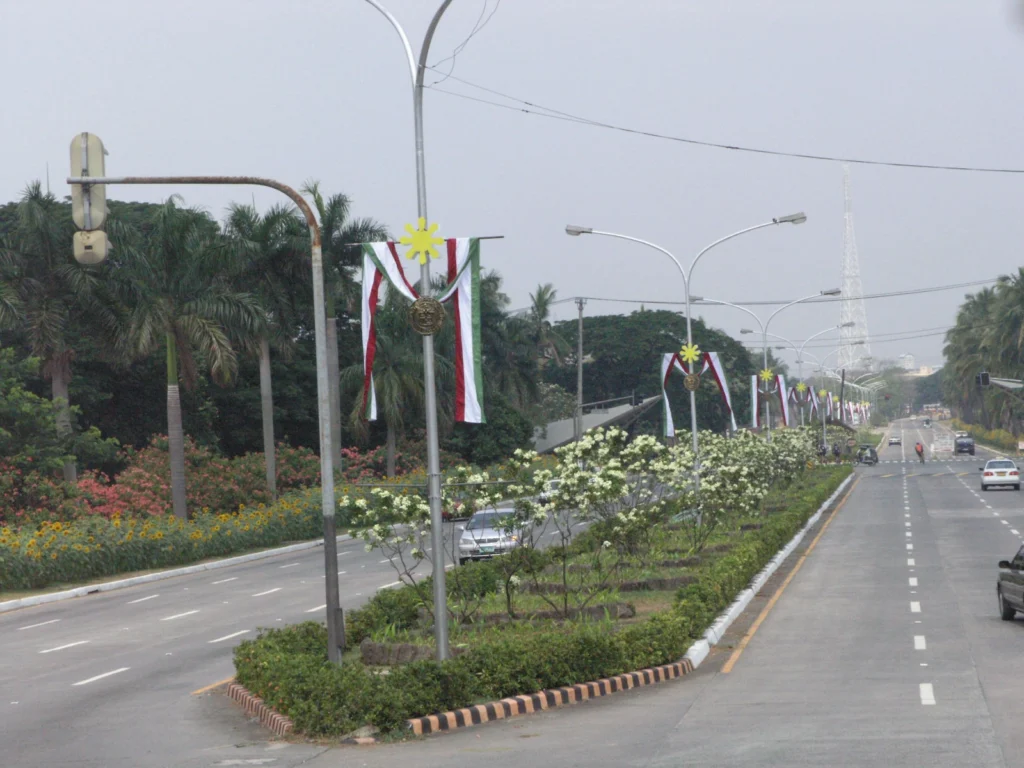
Eventually, when Prof. Amy became VCAA, she once again partnered with CMO. This time, she requested white and yellow Malaysian Mums to be used as decorations for the commencement ceremony. By this time, the CMO Head, Mr. Emil Sotalvo, took notice of Prof. Amy’s fondness for flowers. To her surprise, before the next commencement season started, Mang Emil informed her that they had planted sunflowers as their gift to her. They initially started by planting just along University Avenue, from the police outpost leading towards Quezon Hall. Although this was a relatively small portion compared to the long stretches of sunflower blooms we now see, the yellow flowers served as a beautiful surprise to all graduates and guests.
The planting of sunflowers continued for several years while Prof. Amy was the Vice Chancellor for Academic Affairs, overseeing the annual graduation ceremony of UP Diliman. In 2005, Prof. Guevara became the Vice President for Academic Affairs of the UP System. In 2009, she concurrently served as the inaugural Executive Director of the Philippine Genome Center (PGC), which played a pivotal role during the COVID-19 pandemic. In 2011, she left the University to become the Undersecretary for Research and Development at the Department of Science and Technology (DOST). Eventually, as the years went by, the planting of the sunflowers continued and became a tradition, gradually spreading across the plant beds and covering more and more of University Avenue.
How It’s Going: Patience, Hard work, and Timing
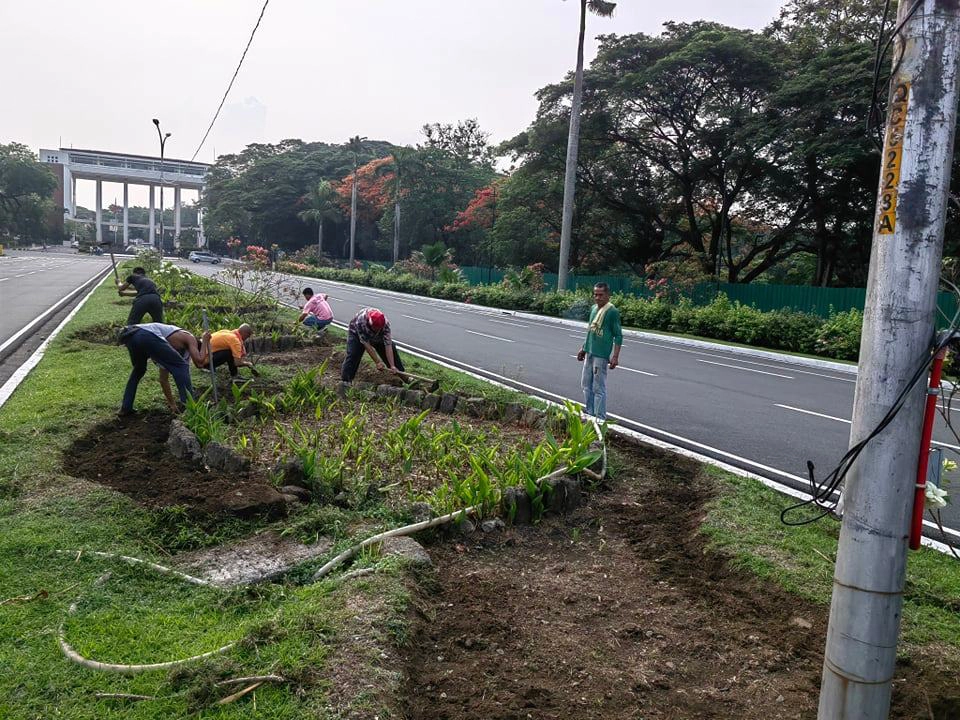
Compared to the earlier sunflowers in the 1980s, the University had to make necessary adjustments due to the shift in the academic calendar and changes in the commencement exercises season. This required more patience and, of course, hard work. Everything starts with precise timing for these beautiful flowers, which begin blooming as early as January. This will give the UP Diliman CMO just enough time to process all documentary requirements, from budget requests to procurement, and the actual delivery of the seeds. But the planting doesn’t start yet. They have to prepare the bed first. “Usually nagsa-start yan ng April. So inuumpisahan nang i-cultivate or bubungkalin yung lupa kasi kailangan mas ma-expose [yung lupa] sa araw para mabawasan ang mga pests, microbes, o pathogens,” explains Buño. This will make the soil more suitable and increase the chances of seed survival. This process occurs multiple times from April to May. This means that just like the soil, the workers are also repeatedly exposed to the scorching heat of the sun during the peak of the summer season. To minimize their exposure, they do this early in the morning and late in the afternoon. By June, the seeds are delivered and are planted into the soil beds.
In addition, the shift in the academic calendar, which has also moved the commencement ceremony to the rainy season, has made it more challenging. Buño explained that in 2014, they had to look for ‘certified seeds’ that were better suited and more resilient for the rainy season, which are also more expensive than the usual seeds.
And lastly, timing becomes crucial. “Yung seeds na binibili natin, ang maturity rate is around 50-55 days,” he adds. After planting, these plants are watered, fertilized, and cared for in order to flower and bloom by the end of July, which is when the commencement exercises usually takes place. All of these tasks, including the labor-intensive process of manual soil cultivation and the maintenance and protection from pests, are done by the Plant Nursery and Arboretum Section of CMO.
The Sunflowers are not the End
And while it’s easy to think that finally seeing the plants grow means they can finally relax, new challenges arise: ensuring they survive until the actual commencement season. “Kapag nag-uumpisa pa lang tumubo, mataas ang tendency na matapakan,” Buño said. This happens because the University Avenue is a public place frequented by visitors and joggers. When this happens, they will have to replant in the area to ensure that the blooms arrive on time. In addition, due to the growing popularity of the beautiful sunflower fields, some visitors also pick flowers. The obstacles are truly inevitable and seemingly endless.
This holds true for every isko and iska who finally graduates from the University, greeted with a joyful farewell by the sunflowers. More than just the beautiful yellow blooms, this tradition holds a special place in the hearts of every member of the UP community. Every yellow flower is a reminder of the beautiful fruits of hard work, patience, and perhaps a touch of luck as a student of the University of the Philippines.
To the fresh graduates, the obstacles will most likely not end here, but wherever your feet would take you, may you bloom wherever you are planted.
Credits:
Photos from the UPDIO archives.
The key informants for this article are Prof. Amelia P. Guevara of the Institute of Chemistry, for-mer University Registrar, former Vice Chancellor for Academic Affairs of UP Diliman, former Vice President for Academic Affairs of the University of the Philippines System, and former Department of Science and Technology (DOST) Undersecretary for Research and Development; and L.Arch. James Christopher P. Buño, head of the Diliman Environmental Management Office or DEMO. L.Arch. Buño is the current Board Secretary of the Philippine Association of Landscape Architects (PALA) and was a former Project Director of the Luntiang Pook: A Landscape Design Workshop Using Indigenous and Edible Plants for Filipino Communities, PALA’s community engagement initiative.