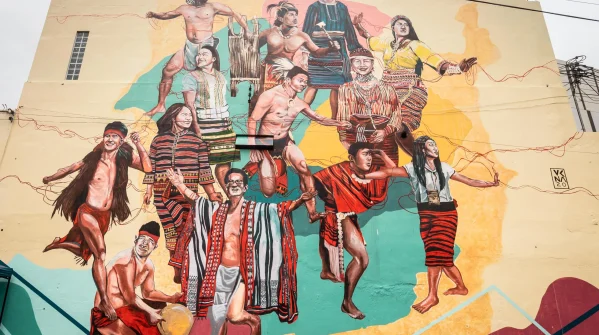
By Shekinah P. Queri Photo courteasy of featured UPB Artists
PERFORMANCE ARTISTS
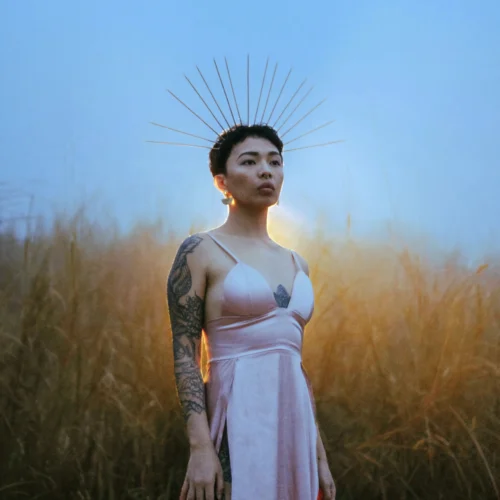
Faye Olayo
My poetry is a form of autobiography; the story-telling of passions, struggles, and triumphs. I write about violence, survival, and healing. I don’t write for a living but I do write to stay alive. I want to be able to share a story so personal that it becomes universal. In performance poetry, the piece is no longer yours the minute it touches the stage, it is now everyone’s. So we tell our stories and we send them out to the world to connect with everyone else’s story.
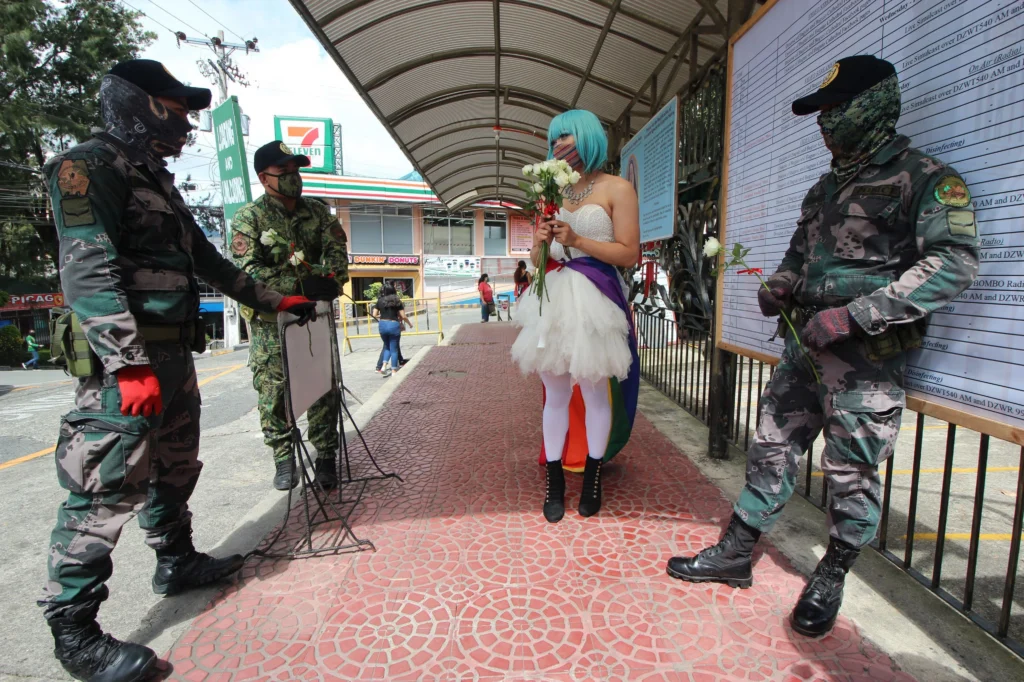
Francis Siapno Lopez
As a gay person I experienced bullying and discrimination. Being gay means loving yourself twice as much as anybody else would because by doing so you are showing the world that you have enough love to trample their lack of understanding of what it means to be gay. Drag is a channel of my feminine expression and creativity. It is my sanctuary and home. It saved me from death because it gave me a means to communicate who I am at a time I thought I was not worth anything. I express myself better with my weirdness, my “freak,” my truth.
VISUAL ARTISTS
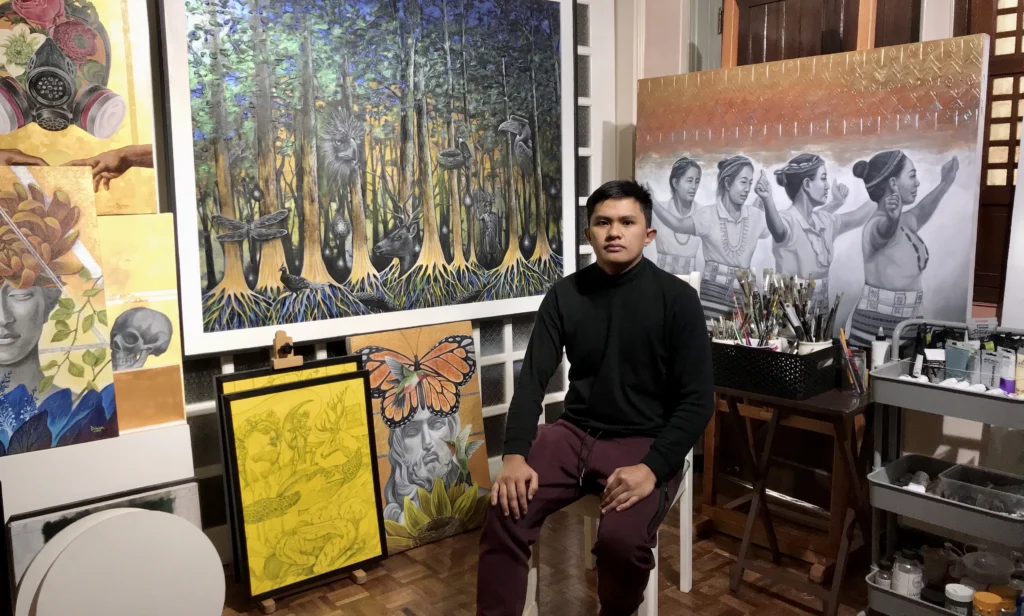
Silvino Dulnuan
Silvino D. Dulnuan is a contemporary visual artist from Baguio City. He is currently working on his Heritage series, a collection of paintings and murals depicting his experiences, beliefs, and his roots as a cultural bearer. His subjects aim to strengthen the Filipino identity and elevate our own unique culture in the world. He
believes that art is a powerful force that can bring people together which encourages positive change in terms of inspiring creativity, identity and unity.
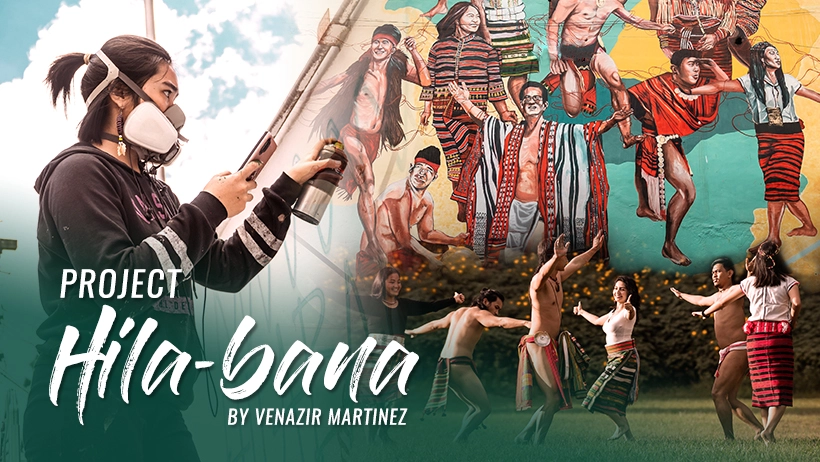
Venazir Martinez
Venazir Martinez is a visual-anthropreneur, and a street muralist best known for her social experiment using street art hunt that led the public to experience an innovative outdoor museum. Hila-bana popularizes the Cordilleran cultural advocates unified by a progressive red thread. The string is a democratized learning tool that weaves the community’s mindset on the revitalization of one’s cultural identity. She hopes to impact the mindsets of Filipinos who do not have the privilege to experience education, to develop a more profound creative economy, and to paint a detailed visualization of the fluidity of a unified nation.
Carillon is published by the
University of the Philippines
Office of Alumni Relations