
Cover Page story
THE MUSEO KORDILYERA
By The Museo Kordilyera
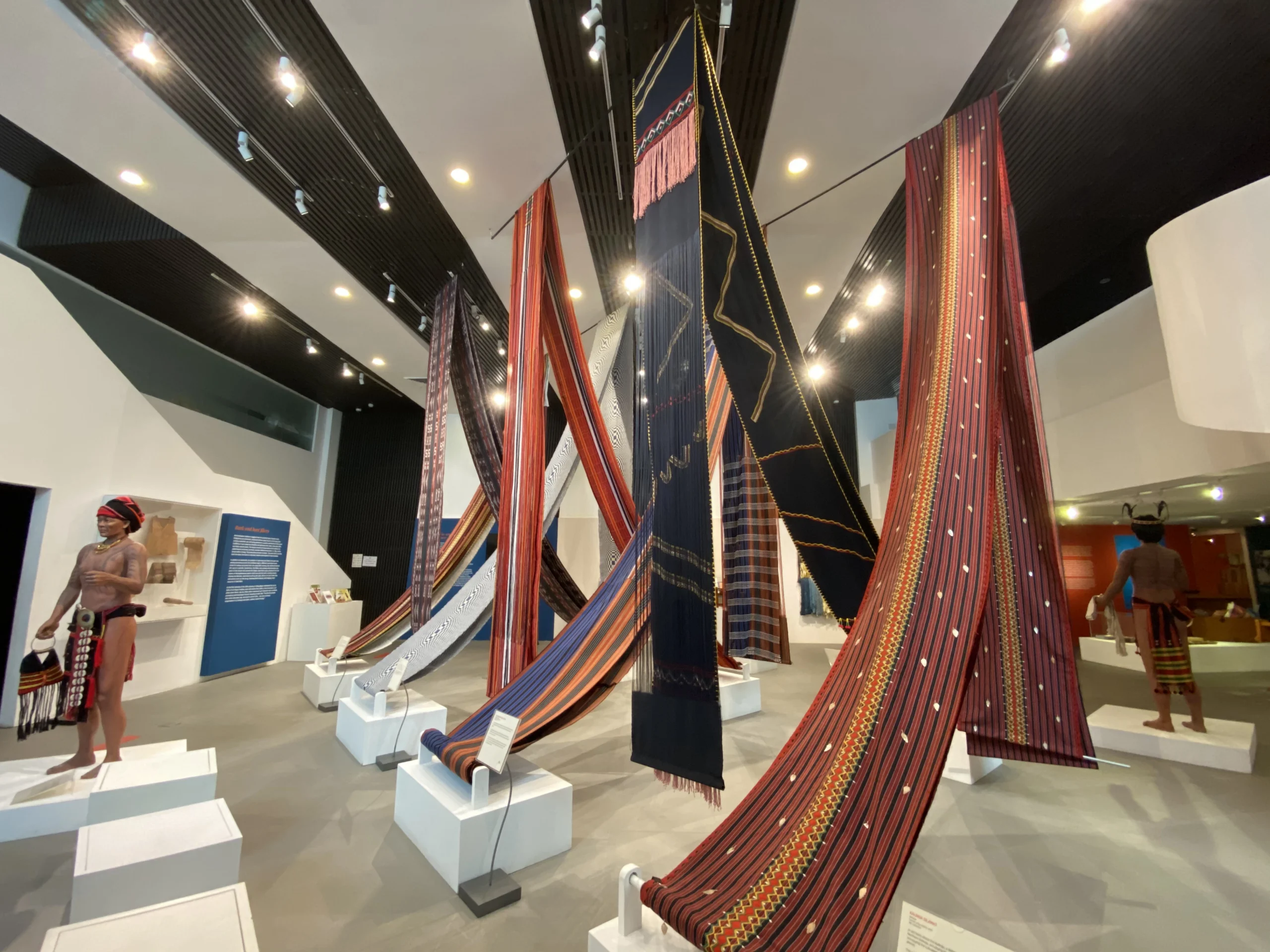
The Museo Kordilyera of the University of the Philippines Báguio (UPB) is an ethnographic museum dedicated to the preservation and enrichment of the indigenous cultures of the Cordillera Administrative Region and its neighboring areas in Northern Luzon. The major indigenous societies — the Bontok, Ibalgy, Ifugao, Kalinga, Kankana-ey—and the smaller groups native to the region provide the University a rich ground for research in the various academic disciplines and exceptional opportunities for significant social interventions. It is in view of this that the University of the Philippines Baguio has identified Cordillera and indigenous studies as its niche. The Museo Kordilyera accentuates this niche at the same time that it reinforces the role of the University as a premier arts and science institution in Northern Luzon.
As a museum dedicated to regional culture, the Museo Kordilyera will serve as a repository of the tangible and intangible heritage of the Cordillera, and will be distinguished by its integral connection to the scholarly work of the faculty from the different colleges of the University. Hence, the museum is a vital learning resource center, a living museum, and a venue for disseminating the fruits of faculty research.
As an ethnographic museum, the Museo is focused on the collection, preservation, and display of objects associated with the unique societies and cultures of the Cordillera region. It has an essential connection to anthropology, particularly the mode of anthropological research and discourse known as ethnography, characterized by detailed and holistic knowledge produced through extended fieldwork and immersion in the culture of the communities that are studied.
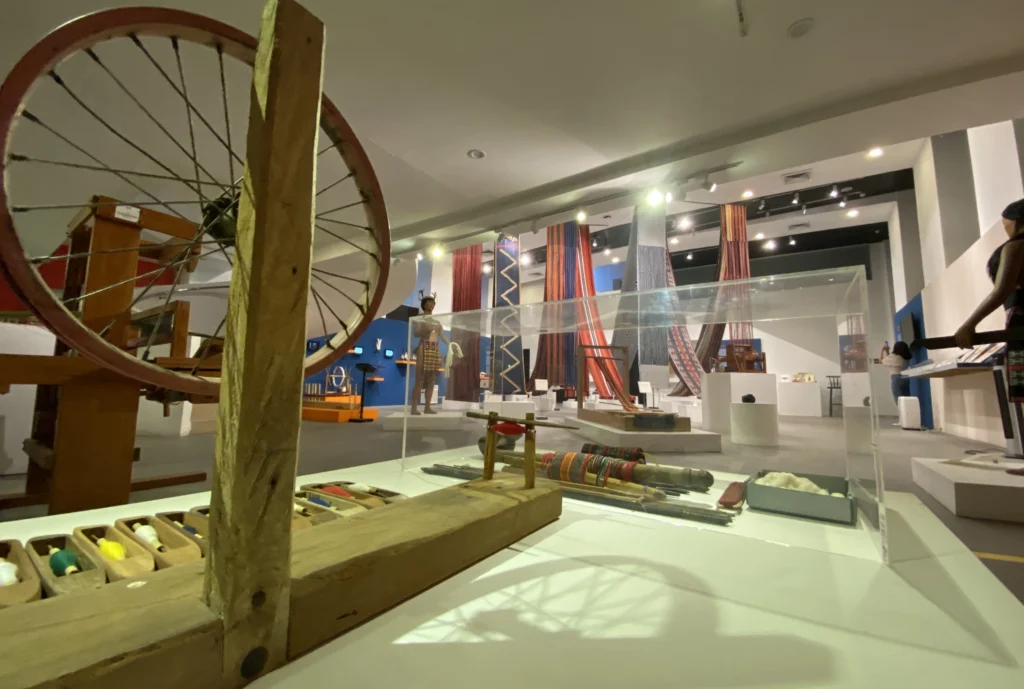
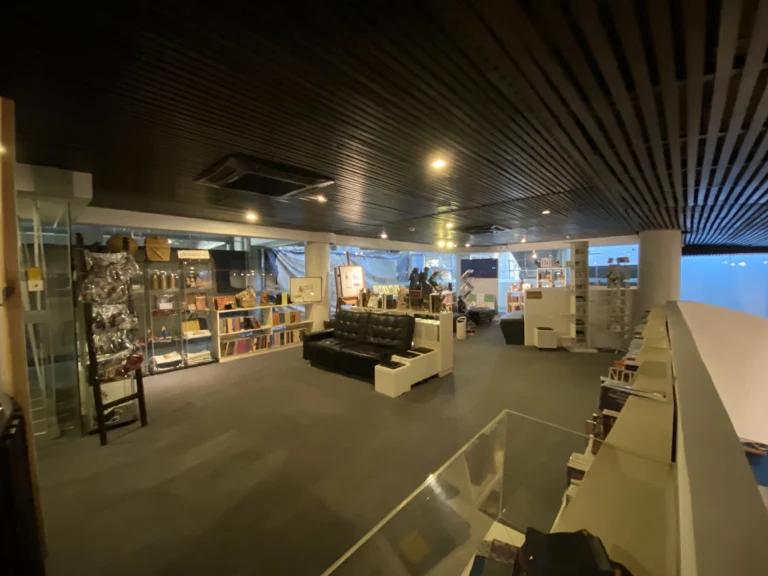
The Museo Kordilyera will serve as a platform for dialogue with various communities in the wider world through themed exhibitions, symposia, lectures, Internet presence, cultural performances, and demonstration of knowledge and skills of local artisans and cultural bearers from Cordillera and other ethno-linguistic groups. The museum is part of the emerging “cultural hub” of UP Baguio. The physical structure includes a permanent collection and curatorial space for ethnographic materials; a temporary exhibition space for loaned exhibitions and collateral activities by students, faculty and alumni; a visitor’s room for museum orientation purposes; an audio visual room; and a museum shop and café.
The CordiTex Project
The Cordillera Textiles Project (CordiTex) is a multi-disciplinary research that combines different approaches in the social and natural sciences in analyzing traditional textiles, and how they are transformed in the contemporary period. The project is vigorously documenting textiles that can no longer be woven by local communities, due to the demise of master weavers. CordiTex facilitates in the reconstruction of extant textiles to rejuvenate the interest in traditional weaving in the region. The project also aims to provide comprehensive and accurate anthropological and technical information about the Cordillera weaving tradition.
The long-term goal of CordiTex is to design concrete scientific protocols to improve product quality in the hope of producing textiles from locally available indigenous materials with the use of new technology that can preserve textile tradition. The University of the Philippines Emerging Interdisciplinary Research (UP-EIDR) initially funded the project for Phase 1 and 2; now on its Phase 3, the UPD Office of the Chancellor Research Grant and the Office of former Senator and now Repesentative Loren Legarda support the project.
How we do it?
Field Interviews
Anthropological fieldwork, in-depth key-informant interviews, and documentation are carried out with local artisans and weavers from various Cordillera communities in Northern Luzon. The aim is to provide a better understanding on how the textiles are produced such as the materials, techniques, designs, and technology used in the production process.
Mathematical Symmetry Analysis
With the use of group theoretic methods and tools in mathematical crystallography we can understand the mathematics in textile designs from various ethnolinguistic groups in the Cordillera. In particular, a symmetry analysis based on the principles of group theory and transformation geometry on various repeating patterns can be analyzed from Cordillera textiles.
Finite Element and 3D Modelling
A computational model predicts the mechanical properties from fiber used in woven textiles. The aim is to develop a virtual process that allows the prediction of textile properties such as the weaving structures found in textiles.
Universal Testing Machine
To evaluate the intrinsic and extrinsic characteristics of the patterns of Cordillera textiles, the Universal Testing Machine (UTM) will facilitate in understanding the technical characterization of woven textiles.
Digital Loom Technology
In order to help local weavers weave the extant textiles and regenerate the interest in weaving, a breakthrough on the use of digital loom can help translate in re-weaving the textiles. With the use of a software digitally programmed, the digital loom can weave fabrics that can no longer be woven by local artisans. The deconstructed digital translations will be returned to the weavers to re-weave the textiles, now using their back-strap or foot-looms.