


Weavers of Teleserye Narratives
By Cecilia Fe L. Sta. Maria-Abalos
Teleserye, a portmanteau of the Filipino words “telebisyon” (television) and “serye” (series), is a genre of television show. Despite criticisms regarding melodramatic plots, stereotypical characters, and overly dramatic dialogues, teleseryes continue to gain popularity among Filipino audiences.
With a range of criticisms about teleseryes—from stories that tend to romanticize the plight of the poor, depicting distorted views on revenge and justice, emphasizing gender stereotypes—what we cannot discount is that the followers and viewers of teleseryes usually come from the masses. Teleseryes are not exactly made for media critics, nor are they produced to immerse an audience with a higher level of social consciousness. Teleseryes are made for Filipino audiences who are too distracted to ponder on socio-political issues because their everyday life is a battle for survival.
“The General’s Daughter” and “Unbreak My Heart” were directed by Emmanuel Q. Palo or Direk Manny. The “Legal Wives” and “Maria Clara at Ibarra” were directed by Zig Carlo M. Dulay or Direk Zig. Both renowned and multi-award-winning directors for film and television are alumni of UP Baguio. Direk Manny and Direk Zig’s woven narratives on film and television are a warp and weft of critical examination of social reality and immersion in the lives of the masses. Both student leaders during their college years, Direk Manny and Direk Zig are digressing from the banal and usual directorial treatment of teleseryes by introducing ways of watching, and at the same time, raising the social consciousness of the mass audience.
Teleseryes can facilitate critical thinking among the Filipino audience. If one is to draw from Freire’s concept of Pedagogy of the Oppressed, a teleserye can become a way to educate because it begins with the commonplace situational contexts that can elicit imaginings and facilitate ways of knowing. Direk Manny and Direk Zig are achieving this.
The Spectrum of Realities of Direk Manny Palo
Emmanuel Q. Palo, the director of “The General’s Daughter” (released in 2019) and the recently streamed “Unbreak My Heart” is not new to the film and television industry. Tracing his passion for the performing arts, Direk Manny was a BS Premed, then a BS Biology student at UP College Baguio in the late 70s. He then shifted to the BA Theater Arts program in the 80s. A student leader, Manny’s works on television and film are drawn from his community work in rural and urban areas. His works do not strictly conform to social realism because it also includes suggestive ways of seeing social realities.
Far from simply drawing inspiration from real- life events and people for his teleseryes, Direk Manny’s directorial approach involves the use of metaphors, allegory, and a spectrum of different realities.
If one were to watch “The General’s Daughter,” they would see that the portrayal of 2nd Lt. Rhian Bonifacio, played by Angel Locsin and streamed on television in 2019, goes beyond showcasing a woman’s strength and ability to challenge a corrupt regime. This teleserye also demonstrates how we can examine larger political issues by exploring the smaller forms of oppression experienced by ordinary Filipinos. Taking an inductive approach to understanding social reality, Direk Manny facilitates the unraveling of complex socio-political issues by dissecting and translating them into melodramatic forms.
In “Unbreak My Heart,” Jodi Sta. Maria plays Rose Jacinto who is searching for her daughter. Alongside her journey, she is searching for her authentic self.
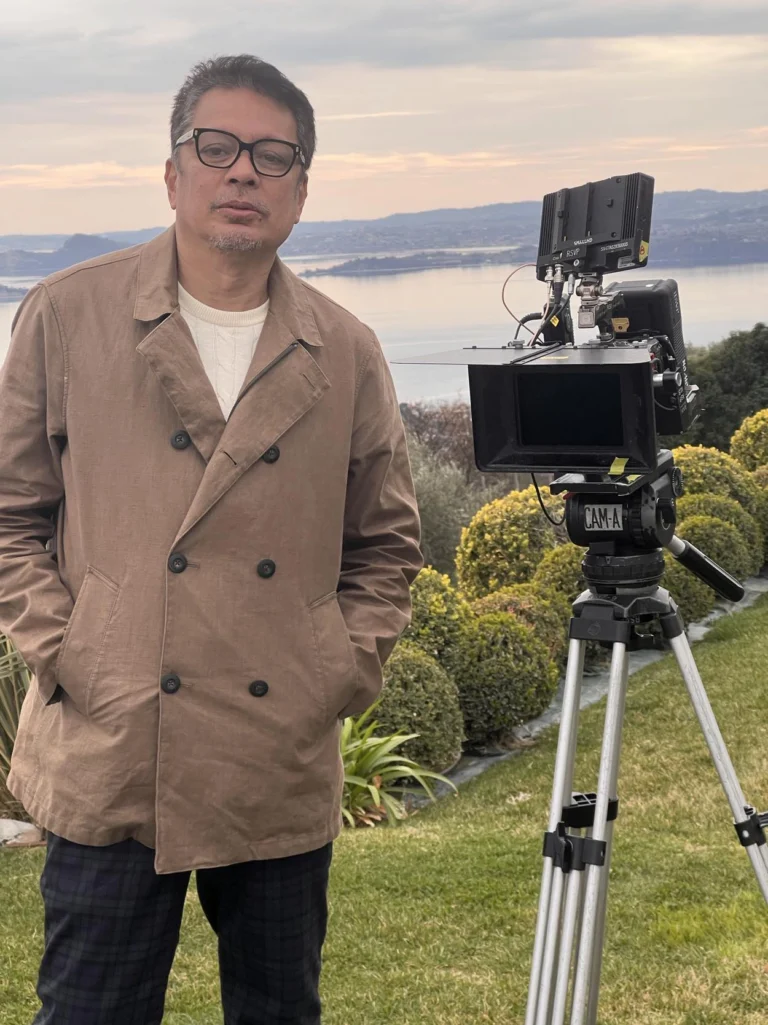
In this teleserye, Direk Manny once again shows us that the female character is not merely a stereotypical woman who is indecisive, confused, forlorn, and heartbroken. Instead, it is a confrontation of the woman question. Rose Jacinto is an epitome of women’s experiences of oppression across social classes, and solving broad gender problems necessitates the probing of gendered private and public roles. “Unbreak My Heart” opens up a multi-faceted debate on women, while also suggesting possibilities for resolving it. The personal is said to be political, and in the teleseryes he directed, Direk Manny shows us narrative metaphors that contain a spectrum of powerful images that illustrate social reality. He deals with contemporary and recognizable social issues, drawing his viewers to imagine other possibilities that may become starting points for higher levels of socio-political discourse.
Sociological Imaginings of Direk Zig Dulay
Zig Carlo M. Dulay is the director of “Legal Wives,” which aired in 2021, and the recently concluded “Maria Clara at Ibarra.” Zig is a graduate of BA Mass Communication from UP Baguio and received his MA in Creative Writing from UP Diliman. Zig usually delves into unfamiliar narratives, often immersing himself in unpopular historical tales that are usually concealed chronicles. Direk Zig shapes his narratives and allows them to unfold organically. The director of the highly acclaimed teleseryes “Legal Wives” and “Maria Clara at Ibarra,” Direk Zig, demonstrates the importance of thorough reading, extensive research, and determination in both writing and directing.
Iterating what Mills says, a social scientist, in this case, the director, should have an “understanding of one’s position and experiences as reflective of broader social historical forces” (Mills, 1959; 2000). Direk Zig’s works show a clear stance and understanding of cultural and historical issues. His teleseryes highlight the importance of perspective and framing a story to provide interpretive social commentary.
Zig Dulay envisions a culturally diverse society that fully understands and respects each other’s cultural differences. In “Legal Wives,” the characters played by Dennis Trillo, Alice Dixon, Andrea Torres, and Bianca Umali are not merely suggesting resolutions on marriage and family relationships, rather, they represent how the dominant socio-cultural perspectives tear down the cultural and religious beliefs of Islam. In his directorial treatment for this teleserye, Direk Zig elucidates the Maranaw culture, shedding light on contentious issues on multiple marriages, moral duty, and cultural rooting, and attempting to bridge the unconfronted discourse on cultural differences.
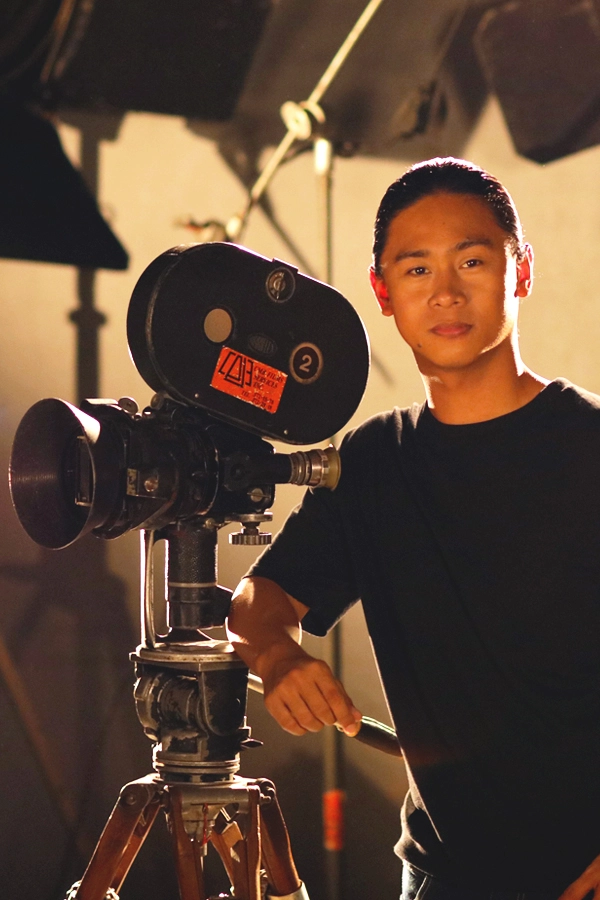
In the teleserye “Maria Clara at Ibarra,” Direk Zig takes on a historical approach. He brings to life the characters of Maria Clara, Ibarra, Sisa, Padre Damaso, and others in his interpretation of the two great novels written by Jose Rizal, “Noli Me Tangere” and “El Filibusterismo.” With a retrospective timeline, “Maria Clara at Ibarra” is retold by an apathetic student portrayed by Barbie Forteza. With its clear exposition, the teleserye sheds light on Philippine history while addressing current questions that would otherwise be ignored by an apathetic audience. It also serves as an educational tool that encourages the audience to critically examine history, making it imperative to reflect on questions of social involvement and participation.
In two of his teleseryes, Direk Zig offers a means of examining social, cultural, and historical events. He draws his television viewers into his social imaginings. He narrates mundane social experiences to engage an otherwise indifferent audience.
Direk Manny and Direk Zig continue to weave narratives on television, resonating with the stories of the masses, shaping the minds of television viewers, and engaging them in a series of reflections and inquiries on the why’s, what if’s, and the how’s of political issues. Their art of teleserye-making is an embodiment of serving the people. And, as we watch Direk Manny and Direk Zig continue this journey on television, we can hope that we will have a more vocal and socially aware Filipino masses.