UP Alumni Website

From UP, Making History

by Joanna Robles

The University of the Philippines has always been more than just a school. For many, it’s a place where ideas are tested, activism is born, and lifelong missions take shape.


In the lives of Francisco “Dodong” Alfafara Nemenzo, Jr., Santanina Rasul, and Clare Baltazar, we see three very different journeys. But all of them began in the same place: their years as UP students.

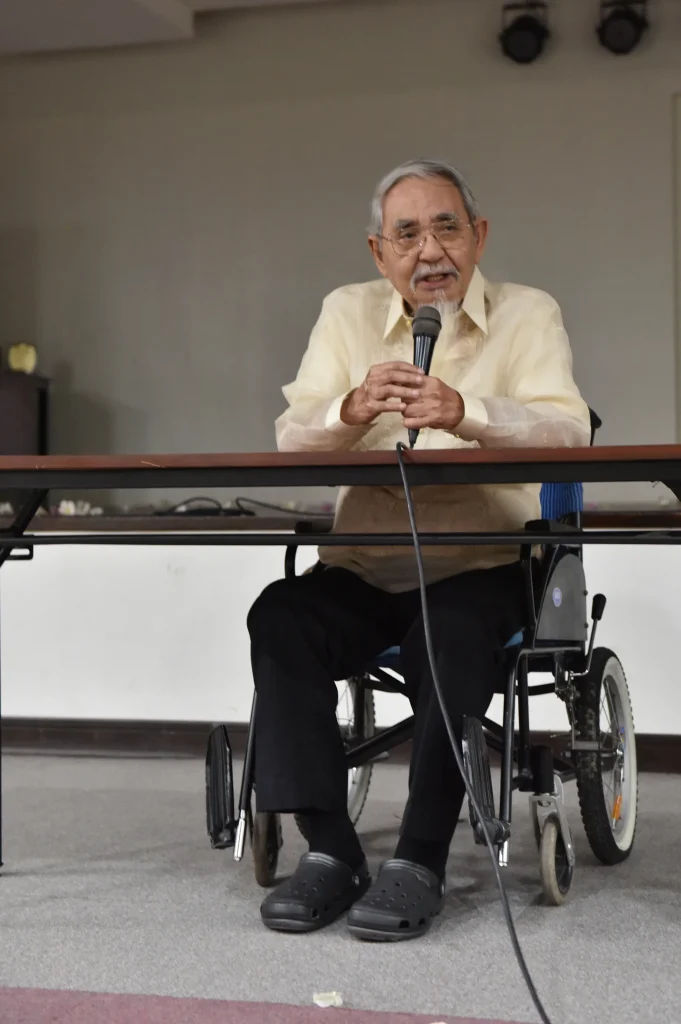
Dr. Francisco “Dodong” Nemenzo
Santanina “Nina” Rasul
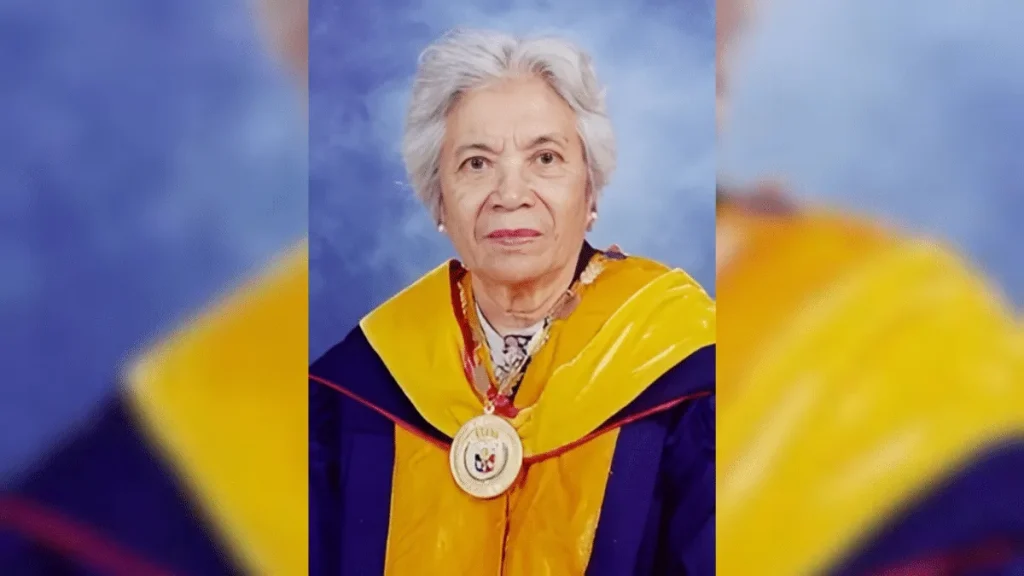
National Scientist Clare Baltazar

Dodong Nemenzo: From Student Activist to UP President

When Francisco “Dodong” Nemenzo, Jr. entered UP, the country in turmoil. It was the early years of the Marcos dictatorship, and the campus was alive with protest and debate.


Dodong was not the type to stay quiet. As a political science student, he threw himself into activism, speaking out against authoritarian rule and championing academic freedom. Those early experiences, from organizing rallies, debating policy, to writing sharp essays, would shape his life.
Dodong didn’t just fight from the outside. He also believed in building strong institutions from within. Over the years, he rose through the academic ranks, teaching political science and mentoring young scholars.


In 1999, he became the 18th President of the University of the Philippines, leading the entire UP System until 2005.
His presidency was marked by an insistence that the university remain a space for free thought, even in tense political times. He pushed for reforms, improved academic programs, and defended the university’s autonomy.


Through it all, he stayed “Dodong”, who was approachable, witty, and still deeply committed to the ideals that first moved him as a student.

Santanina Rasul: Champion for Muslim Women

If Dodong’s UP years were about political struggle, Santanina Rasul’s were about breaking barriers.


Born in Siasi, Sulu, Santanina was a Tausug woman from Mindanao at a time when few from her hometown, especially women, made it to UP. She studied education and later public administration, finding in UP an environment that encouraged her to question the status quo.


UP was where Santanina learned to navigate not just the academic world, but the social and cultural barriers that often held Muslim women back.
After graduating, Santanina stepped into public life with confidence. In 1987, she made history as the first Muslim woman elected to the Philippine Senate, serving until 1995.


In the Senate, she championed women’s rights, peace in Mindanao, and the recognition of Muslim culture in national policy. She helped pass landmark laws like the Women in Development and Nation-Building Act and launched literacy programs for underserved communities.


For Santanina, UP was where she first understood the power of education to change lives — starting with her own. And she used that lesson to open doors for others, especially those from marginalized communities.

Clare Baltazar: The National Scientist

Not all UP graduates find their calling in politics or leadership. Some make their mark in quieter, but equally lasting ways.
Clare Baltazar was one of them. She entered UP to study entomology, which is the science of insects, at a time when the field was unknown. Her work took her deep into the world of parasitic wasps and other insect species, many of which she helped classify for the first time.

Over her career, she became one of the Philippines’ leading entomologists and a pioneer in her field. She authored textbooks, mentored young scientists, and even had insect species named after her. Her research laid the groundwork for pest control strategies vital to Philippine agriculture.
Clare’s time in UP taught her the value of disciplined research and the joy of discovery. While she didn’t stand on political stages like Dodong or Santanina, her contributions were no less profound.


Different Paths, Shared Ground

Dodong, Santanina, and Clare took different roads after UP: one to the presidency of the university, one to the Senate, and one to the heart of scientific research. Yet they were shaped by the same lessons UP instills in its students: honor and excellence.

For Dodong, honor and exellence was in the rallies, the debates, and the push for democracy.

For Santanina, it was in proving she belonged in spaces that weren’t built for her and using her place there to speak for others.

For Clare, it was in the patience of fieldwork and the thrill of discovery.

They also shared a sense that education came with responsibility. None of them treated their success as a purely personal achievement; they used it to push for changes they believed in.


The UP spirit is often described as a mix of courage, critical thinking, and public service. In these three stories, it shows up in different ways: in the fiery speeches of a campus activist turned university president, in the calm determination of a senator breaking barriers, and in the meticulous research of a scientist expanding knowledge.

What connects them goes beyond the degrees they earned at UP. They once walked the same halls, sat in the same classrooms, and shared the same vibrant milieu that has shaped generations of Iskolars ng Bayan. From those spaces, they carried with them UP’s enduring creed: honor and excellence. They had lived it out in their own distinct and impactful ways.

Today, students still walk the same hallways Dodong, Santanina, and Clare once did. They sit under the same trees, debate in the same classrooms, and dream of changing the world in their own ways.

If they are lucky, they will find, as these three did, that the lessons they carry from UP will stay with them long after they have left the campus.
Because UP is not just a place to get a diploma. For many, it’s where you learn to live with purpose, guided by honor and excellence, for the betterment of the Filipino people.


Carillon is published by the University of the Philippines Office of Alumni Relations